Pages / form privacy
Explain Form Privacy Beside the Submit Button
A concise data-use note at the decision point can reduce uncertainty better than a distant privacy-policy link alone.

A concise data-use note at the decision point can reduce uncertainty better than a distant privacy-policy link alone.
The useful question is not whether the page looks persuasive. The useful question is whether the proof answers the buyer doubt that appears right before the next action.
The page adds proof without assigning it a job.
What happens to the information after the visitor clicks submit? If that context is hidden, the proof or reassurance asks the buyer to fill the gap alone.
Make the evidence answer a real objection.
State what is collected, why it is needed, who receives it, expected follow-up, and whether marketing consent is separate.
The trust audit
Read the page like a cautious buyer. First identify the promise, then locate the risk. Only then decide whether the current testimonial, logo, badge, number, screenshot, guarantee, or process note is doing useful work.
| Claim | What happens to the information after the visitor clicks submit? |
|---|---|
| Weak proof | What happens to the information after the visitor clicks submit? If that context is hidden, the proof or reassurance asks the buyer to fill the gap alone. |
| Better signal | State what is collected, why it is needed, who receives it, expected follow-up, and whether marketing consent is separate. |
| Repair move | Write a two-line data-use note for the highest-value form. |
Work through the evidence in sequence
A good trust repair is specific enough to review later. Keep the claim, the doubt, the supporting record, and the boundary together so a future edit does not separate reassurance from its evidence.
Answer the immediate fear
Visitors usually want to know whether they will be called, subscribed, shared with partners, or asked for more data.
Keep consent specific
Submitting an inquiry and joining promotional email should not be presented as the same choice when separate consent is appropriate.
Link to full detail
The short note supports the decision; the privacy page should contain the complete current practice.
Match actual operations
A reassuring sentence is harmful if the CRM, sales team, or third-party tools handle data differently.
Diagnostic questions
- What happens to the information after the visitor clicks submit?
- Which buyer doubt is this page trying to reduce?
- What claim does the current proof actually support?
- What would a skeptical but fair buyer need to see before taking the next step?
- Where should this proof sit so the buyer sees it before the risk appears?
Repair moves
- Name the exact buying doubt before choosing a tactic.
- Write a two-line data-use note for the highest-value form.
- Move the proof close to the claim or action it supports.
- Remove any proof block that creates more suspicion than clarity.
- Add a boundary where a claim, guarantee, review, or result could be misunderstood.
What can damage trust
- Do not add confidence language that is stronger than the records, permissions, process, or policy behind it.
- Do not invent reviews, numbers, ratings, urgency, or customer stories.
- Do not imply a result is typical if the page only has one narrow example.
- Do not use a trust signal to hide unclear pricing, vague scope, or a weak offer.
Record the proof boundary
Before publishing, record where the evidence came from, who approved it, the date or period it describes, and the claim it is allowed to support. Add a review date when the underlying offer, policy, team, tool, or result can change.
After publishing, verify the page itself. Check the source link, image, caption, mobile layout, and next-step link. A trust signal that is cropped, outdated, or disconnected from the action can create a new doubt even when the underlying evidence is genuine.
Build a small proof ledger
Keep one working record for the signal instead of relying on the finished page as the only source of truth. The ledger should name the public claim, the underlying evidence, the person responsible for it, the approval or permission available, and the date it was last checked. It should also state what the evidence does not prove. This makes later editing faster and prevents a narrow result from slowly becoming a broad promise.
Use plain operational labels. A useful entry might say that a customer quote supports ease of onboarding for a particular service version, was approved for the website, and should be reviewed after the next process change. A weak entry simply says testimonial approved. The first record tells a future editor how to use the quote honestly; the second leaves all of the important decisions unresolved.
The ledger does not need special software. A small table with claim, source, context, owner, permission, location, and next review date is enough. What matters is that the page can be checked against a record rather than memory.
Test the repair with a cautious reader
Show the revised section to someone who has not been involved in writing it. Ask what they think the business is claiming, what evidence they saw, and what uncertainty remains. Do not explain the intended meaning until they answer. Their first interpretation reveals whether the page is carrying the context on its own.
Then ask what they would expect after taking the next step. This catches gaps between the proof and the actual form, call, checkout, onboarding, support, or cancellation experience. A trustworthy page and an unclear follow-through do not cancel each other out; the mismatch becomes a new risk signal.
Use the smallest useful revision first. Move the proof closer, add a date, label the source, name the condition, or narrow the claim. Review behavior and questions after the change before adding more badges, quotes, numbers, or reassurance. The goal is not maximum proof density. It is a clear answer at the moment doubt appears.
Keep the signal current
Set a review trigger tied to real change: a new price, policy, team, service version, delivery process, customer permission, or material source update. Calendar reviews are useful, but event-based checks catch the moments when evidence becomes misleading fastest.
When a signal is no longer supportable, remove it or label the historical context. Do not quietly preserve an old claim because it still converts. Trust maintenance means keeping the public page aligned with what the business can currently explain, deliver, and document.
Commercial angle
Tools, templates, software, and services only help after the buyer doubt is named. Use commercial options to make proof clearer, collect real evidence, or reduce friction - not to decorate a weak claim.
Read next
Related trust repairs.

The Homepage Trust Check Before You Redesign
A checklist for the first screen, proof path, and next step before changing the visual style.

Pricing Page Trust Before the Plan Cards
How to make pricing feel safer with context, fit, examples, and expectation-setting.

The About Page That Makes a Small Business Feel Real
How to use origin, expertise, boundaries, and correction habits as credibility signals.
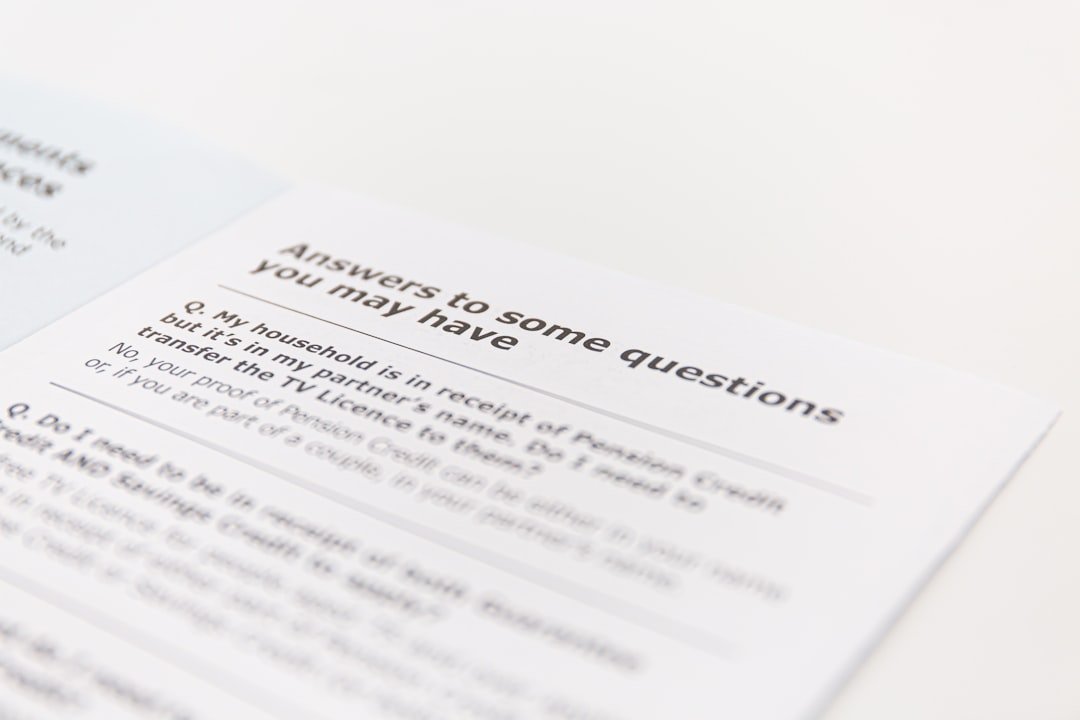
FAQ Sections That Reduce Doubt Instead of Creating More Work
How to choose FAQ questions that lower friction before a buyer reaches out.