How to Avoid Fake-Looking Proof Even When It Is Real
Real proof can look fake when it is too polished, too vague, or too disconnected from context.
Quality
Weak proof, fake-looking proof, overclaiming, cherry-picked results, vague badges, and trust signals that quietly make a page feel less believable.
Start here
How to spot proof that creates doubt and replace it with something sturdier.
Open the guideMore in this shelf
Real proof can look fake when it is too polished, too vague, or too disconnected from context.
Every exaggerated claim creates a hidden cost in buyer trust.

Badges work only when the buyer understands why they matter.

Results can persuade without becoming guarantees.

Buyers notice when proof feels too convenient, too intense, or too disconnected from reality.
Adjacent shelves
Reviews, testimonials, customer logos, numbers, screenshots, and case proof that make a buyer feel safer instead of merely impressed.

The quiet fears behind delayed replies, abandoned forms, long consideration windows, and the buyer who keeps asking for more details.
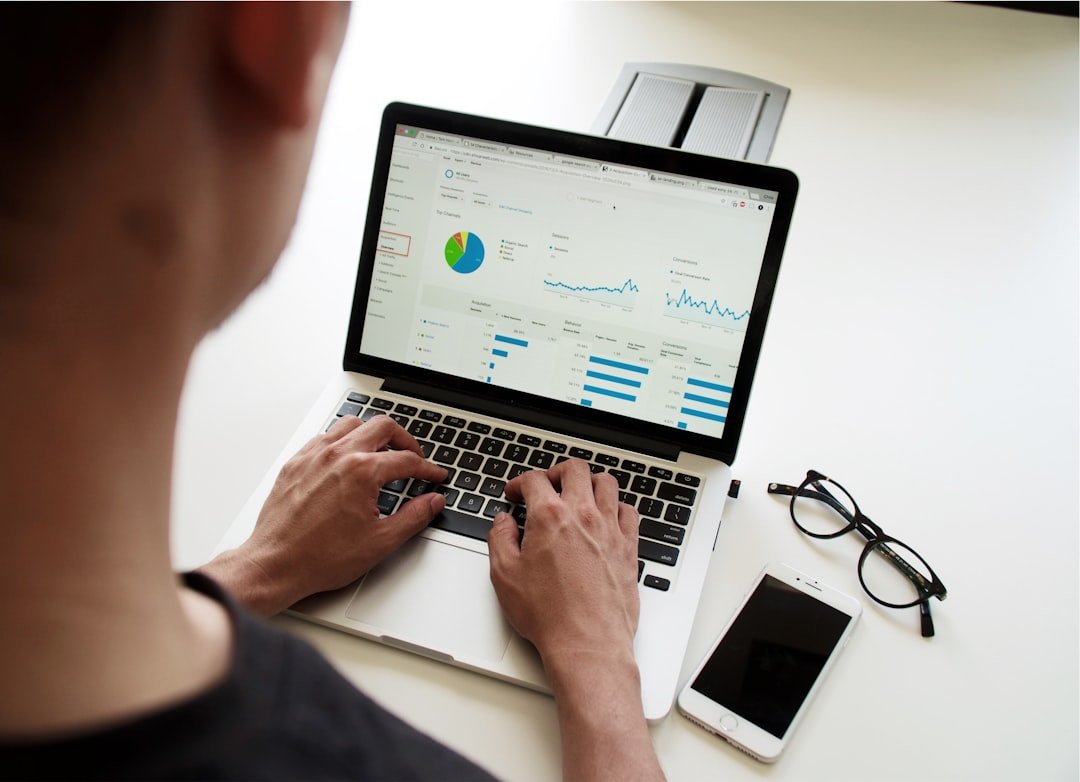
Homepage, landing page, pricing page, about page, FAQ, and contact page trust checks for businesses that need buyers to believe the next step is safe.

Guarantees, trials, refund policies, scope boundaries, onboarding promises, contracts, and reassurance that lowers risk without making fake guarantees.

Trust signals for consultants, freelancers, agencies, coaches, local service providers, and experts selling judgment rather than a boxed product.